“The best vibe coders aren't those who write the most prompts. They are the ones who orchestrate the AI with the precision of a conductor.”
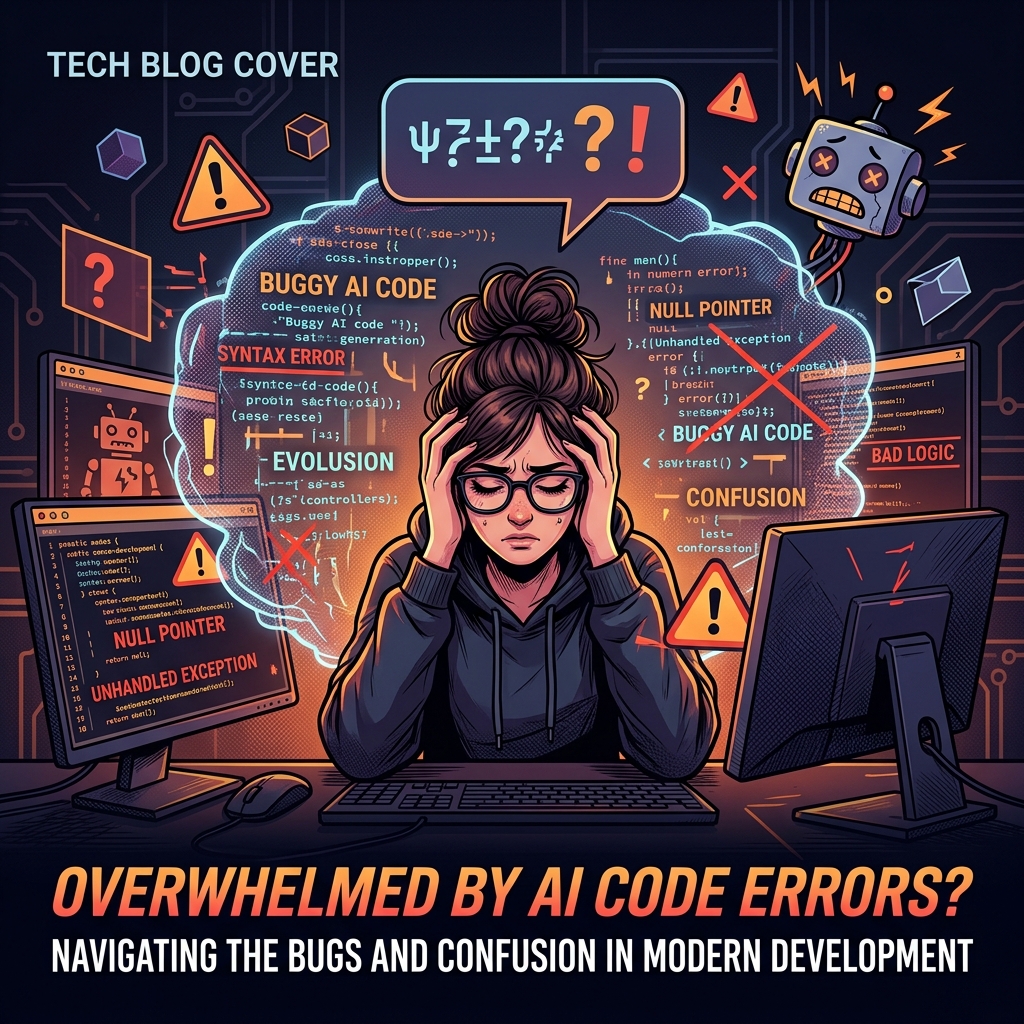
Generative AI and agentic coding workflows have fundamentally changed software development. Today, developers talk about "Vibe Coding"—describing high-level systems, features, and behaviors to an AI and letting it generate, refine, and stitch the actual source code. It sounds effortless, almost magical. However, anyone who has spent a weekend trying to debug a complex system generated by an AI knows that "just vibing" can quickly turn into a nightmare.
To vibe code successfully, you need more than just general prompt skills. You need a structured approach that leverages AI strength while neutralizing its tendency to hallucinate, omit edge cases, or introduce subtle architectural flaws. Here is what you should do to master AI-assisted development.
1. Define the Architecture First : Establish the Blueprint
Before you write a single prompt or let the AI write a line of code, you must design the system architecture. AI tools are incredible at completing implementations, but they lack a holistic understanding of your specific long-term business goals.
- Decide on data schemas: Sketch your databases, object models, and key states before prompting.
- Set constraints: Specify tech stack versions, folders, framework choices, and design systems.
- Create a plan: Draft a simple text file detailing the files to create, endpoints to build, and libraries to use.
Think of the AI as a highly talented junior developer. If you give a junior developer a clear specification sheet, they will build exactly what you want. If you tell them to "build a billing module," they will make a hundred assumptions that might conflict with your database structure.
2. Provide Clear and Isolated Context : Keep it Clean
AI models have context limits, and even models with huge context windows suffer from "attention loss" in the middle of a massive file dump. To get the best code generation, you must manage what the AI sees.
| Context Strategy | Why It Works |
|---|---|
| Scope Down Files | Only feed the AI the files directly related to the current task. Avoid bloating the prompt. |
| Provide Mock Data | Show the exact structure of JSON payloads or API responses instead of explaining them in prose. |
| Use Context Assemblies | Maintain a file containing the project guidelines, directory structure, and coding style rules. Feed this first. |
3. Build and Review Incrementally : The 80/20 Rule
Never ask the AI to "build the entire app at once." Break your application down into tiny, functional chunks. Deploying code in stages allows you to capture errors early, before they cascade through the codebase.
Generate database models and fundamental configuration. Validate schema consistency before moving forward.
Build the core business logic, utility helpers, and APIs. Test response codes with static data.
Connect frontend interfaces, add micro-interactions, style elements, and add final Polish.
4. Write and Rely on Automated Tests : Your Safety Net
Automated tests are the absolute holy grail of vibe coding. When you aren't writing every line of code yourself, tests are the only way to ensure the AI hasn't introduced regression bugs or broken edge cases.
Ask the AI to generate unit and integration tests *alongside* the code. Run these tests continuously. If a test fails, you immediately know where the code deviated from the spec, saving hours of manual browser testing.
5. Meticulously Review Diffs : Don't Auto-Approve
When the AI suggests code edits, do not copy and paste them without reading. A good vibe coder treats diff reviews as a critical gatekeeper process.
- Check if the AI deleted comments, configuration variables, or unrelated helper functions.
- Verify that styling choices match the global design guidelines (e.g. using CSS variables instead of hardcoded hex colors).
- Look for placeholder comments (e.g., `// TODO: Implement this`) that the AI might have introduced to bypass complex logic.
Summary Checklist for Success
Here is your quick-reference sheet to pin to your desktop while vibe coding:
- Write the design document before generating any code.
- Feed clean, isolated code snippets to the AI rather than entire repositories.
- Verify package versions to avoid the AI utilizing deprecated APIs or libraries.
- Create unit tests to validate logic immediately.
- Use git commits frequently to set restore points when the AI takes a wrong turn.
We Architect Robust Solutions Utilizing State-of-the-Art Developer Tooling.
Let's ConnectAt Ascent24 Technologies, we combine modern development methodologies with rigid software architecture standards to build custom ERPs, mobile applications, and cloud systems that scale. We harness AI to accelerate delivery while ensuring every single line of code meets human quality assurance standards.