What UAE e-invoicing actually requires
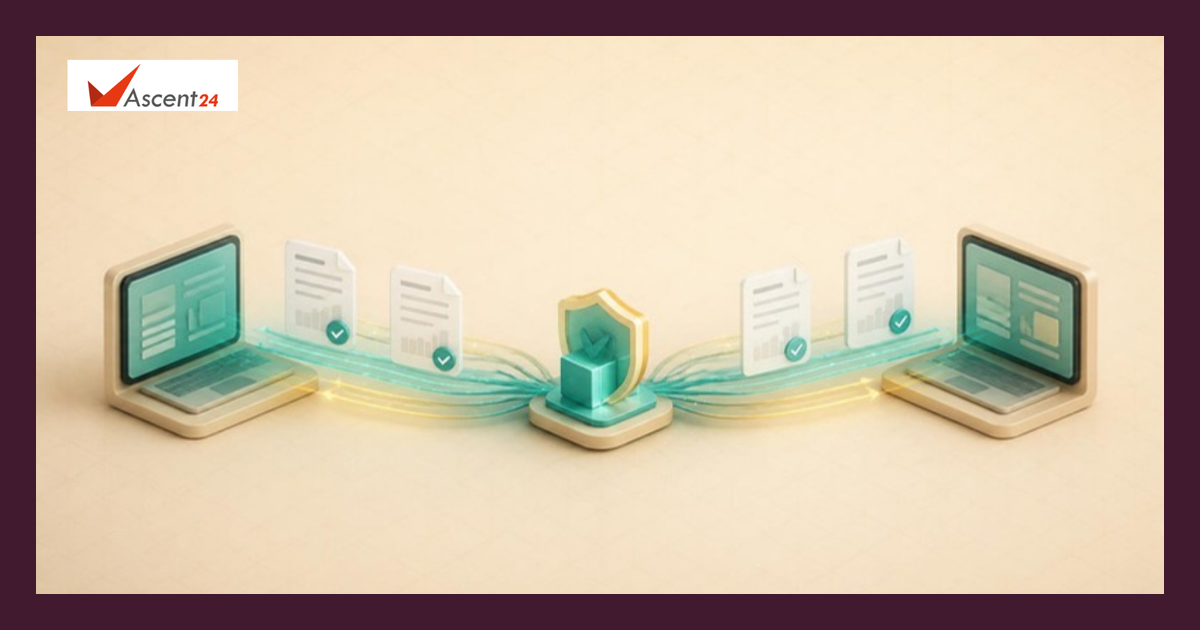
A UAE e-invoice is not a PDF. The Ministry of Finance (MoF) says PDFs, Word files, scans and emailed images are not e-invoices. Invoices travel as structured XML based on the Peppol PINT-AE specification, through a "five-corner" model: your ASP sends the invoice to your buyer's ASP, and both report tax data to the Federal Tax Authority (FTA).
Key points from the official UAE Electronic Invoicing Guidelines:
- It covers business-to-business (B2B) and business-to-government (B2G) transactions. Sales to consumers who are not in business are out of scope.
- You appoint one ASP for both sending and receiving invoices.
- You start onboarding with your ASP through the FTA's EmaraTax platform.
- Your e-invoicing identity is based on your Tax Identification Number (TIN), the first 10 digits of your Corporate Tax TRN, according to the MoF mandatory fields document.
| Who | Appoint an ASP by | Go live by |
|---|---|---|
| Revenue AED 50m or more | 30 Oct 2026 | 1 Jan 2027 |
| Revenue below AED 50m | 31 Mar 2027 | 1 Jul 2027 |
| Government entities | 31 Mar 2027 | 1 Oct 2027 |
Sources: FTA, 29 September 2026 and the MoF guidelines.
What changed in October 2026
Ministerial Decision No. 197 of 2026, announced on 19 October and reported by WAM, made three practical changes:
- Tax group relief. Transactions between members of the same tax group are excluded for 24 months from 1 January 2027. You can still e-invoice them voluntarily.
- Storage location. E-invoice data no longer has to be stored inside the UAE. You must still keep it for the period set by the Tax Procedures Law and produce it when the FTA asks.
- System failure notice. The requirement to tell the FTA about a system failure within two business days has been removed.
The same decision says an e-invoice or credit note must be issued and transmitted within 14 business days of the transaction date. If invoices are raised late today, for example from spreadsheets at month end, fix that now.
A data-readiness checklist before go-live
Most delays come from data and systems, not the ASP contract. Work through these steps with your finance team:
- Confirm your phase. Check your revenue against the AED 50 million threshold with your tax adviser, and note your exact deadlines.
- Map your invoice fields. Compare what your billing or ERP system produces with the MoF mandatory fields list. Missing item details, tax breakdowns or buyer identifiers are common gaps.
- Clean customer and supplier records. You need accurate legal names, TRNs and e-invoicing identifiers for the businesses you trade with.
- Decide how data reaches the ASP. Usually an API connection from your ERP, a file export, or the ASP's portal. A portal may suit low volumes. An integration suits higher volumes.
- Plan credit notes and corrections. Returns, discounts and cancelled orders need the same electronic route as invoices.
- Prepare accounts payable. Supplier invoices will also arrive as XML through your ASP. Decide how they enter your system for approval.
- Test end to end. Send and receive test invoices, including credit notes, before your go-live date.
Questions to ask an ASP
The MoF's guide to selecting an ASP suggests checking integration with your current systems, whether the product is the ASP's own, support and service levels, pricing, and scalability.
What happens if you miss the deadline
Under Cabinet Decision No. 106 of 2025, failing to implement e-invoicing, including failing to appoint an ASP on time, carries a penalty of AED 5,000 for each month or part of a month of delay. Failing to issue an e-invoice on time carries AED 100 per invoice, up to AED 5,000 per month.
Where software help fits, and where it does not
If you use a mainstream ERP or accounting product, ask your vendor and ASP first. A ready-made connector may be fastest. Custom work makes sense when invoices come from a custom billing system, several disconnected tools, or spreadsheets.
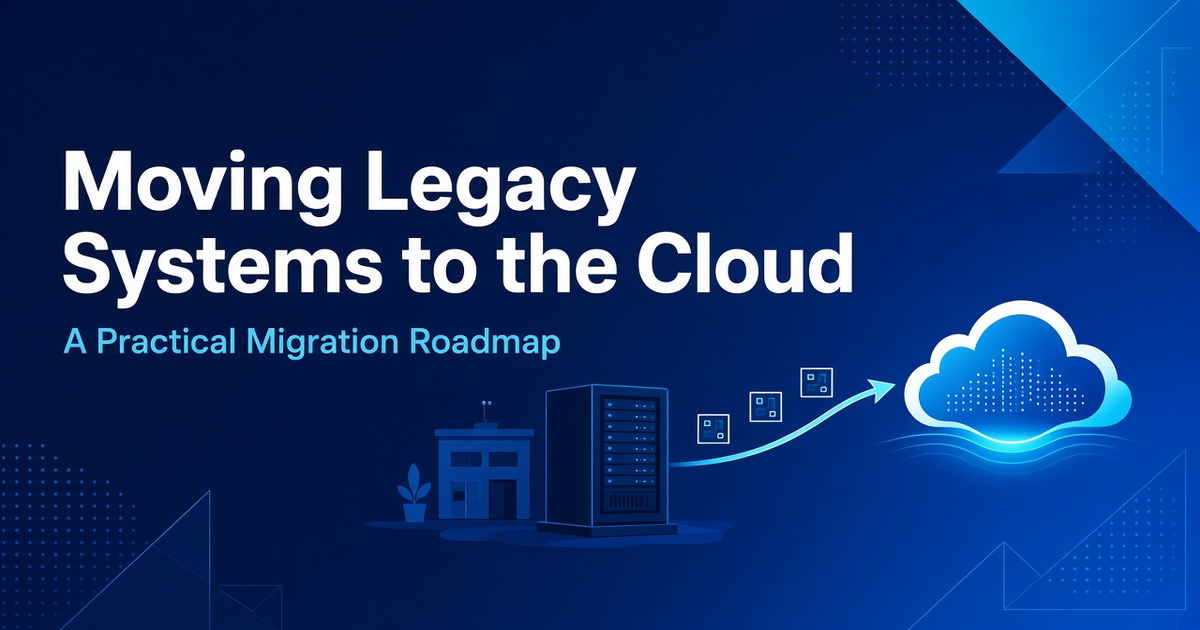
Ascent24 is not an ASP. We build custom software and ERP and accounting systems, and we can help with the software side: cleaning master data, updating a custom billing system, or building the connection between your system and the ASP you choose. Related guides: custom software vs off-the-shelf and moving legacy systems to the cloud.
FAQs
Does UAE e-invoicing apply to B2C sales?
No. Supplies to consumers who are not in business are outside the scope of e-invoicing, according to the MoF guidelines.
Do transactions inside my tax group need e-invoices from January 2027?
Not for the first 24 months from 1 January 2027, under Ministerial Decision No. 197 of 2026. Sales to businesses outside the group are still in scope.
Need help connecting your billing system?
If your invoices come from a custom system or several tools, we can review your data and integration options with you. Write to info@ascent24.io or message us on WhatsApp.