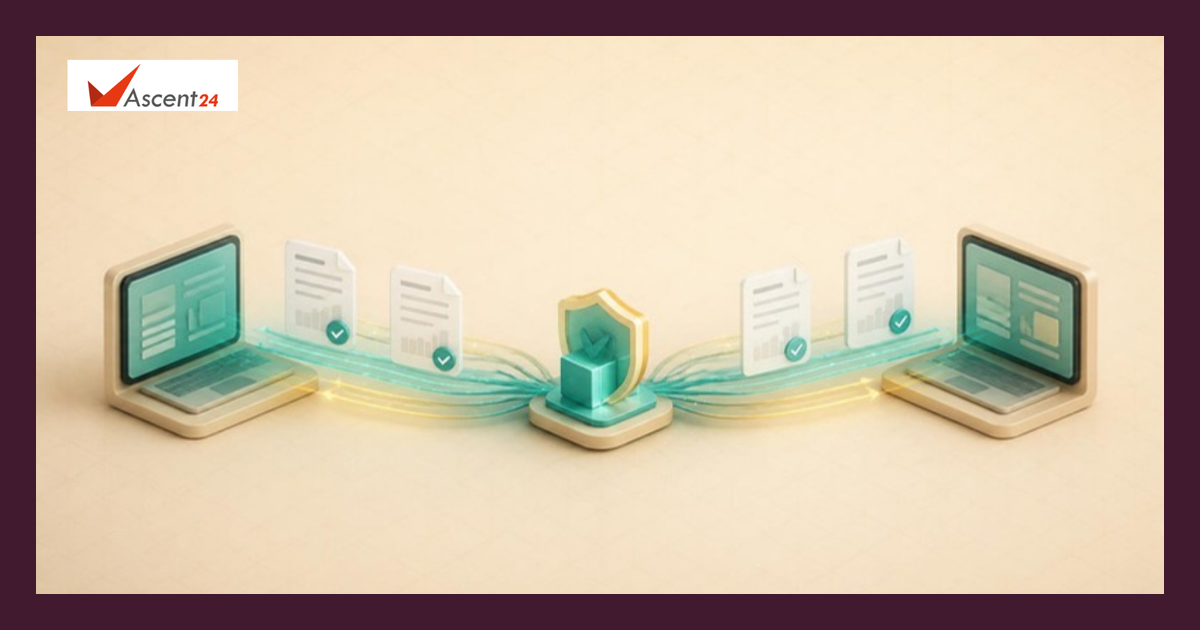
Short answer: Qatar e-invoicing is not in force yet. On 6 May 2026 the Cabinet approved a draft e-invoicing law and its executive regulations. Advisers expect a start from 1 January 2027, phased by business size, but no official date, scope or file format has been published. You can prepare now by mapping how you issue invoices, cleaning customer and supplier data and checking that your billing or ERP system can share structured data by API.
This guide is for finance managers, owners and IT leads at companies with a Qatar entity, including GCC groups that already went through e-invoicing in Saudi Arabia or the UAE.
What is officially confirmed about Qatar e-invoicing?
According to Qatar News Agency, the Cabinet approved the draft law on e-invoicing and its executive regulations at its meeting on 6 May 2026. The draft was prepared by the Ministry of Finance in coordination with the General Tax Authority (GTA).
The stated aims are to:
- Set the legal framework for issuing e-invoices and notices
- Improve transparency
- Keep pace with digital transformation
- Build reliable data for regulatory and oversight purposes
That is the official position. As of 22 November 2026, the GTA news page and laws page show no published e-invoicing law, start date or technical guide.
What is expected but not confirmed?
EY and PwC published alerts after the Cabinet decision. They describe expectations, not rules:
| Point | Status |
|---|---|
| Draft law approved by the Cabinet | Confirmed (6 May 2026) |
| Shura Council review, then enactment by the Amir | Expected next steps (EY) |
| GTA pilot with selected large entities | Running since late 2025 (EY) |
| Start from 1 January 2027 | Anticipated, not confirmed (EY) |
| Larger businesses first, smaller ones in later phases | Anticipated (EY, PwC) |
| Clearance model for B2B and B2G, reporting for B2C, similar to Saudi Arabia | Expected, not confirmed (EY) |
| File format, technical specs, registration steps | Not published |
A clearance model means the tax authority checks and approves each invoice before or at the time it reaches the buyer. A reporting model means invoices are issued first and the data is shared with the authority afterwards.
Plan for these expectations, but do not build to a specification that does not exist yet.
How can you get ready before the rules are published?
Most of the work does not depend on the final format. It depends on how clean your data is and how your systems connect.
Step 1: Map how invoices are produced today
List every place an invoice or credit note comes from: your ERP, a separate billing tool, a POS system, an online store, spreadsheets or manual Word files. Note who issues them and roughly how many each month. Many companies find more sources than they expected.
Step 2: Clean customer and supplier master data
E-invoices need accurate party details. Check legal names, tax numbers where they exist, commercial registration (CR) numbers and addresses. Remove duplicate customer records. Bad master data is the most common reason invoices get rejected in clearance systems elsewhere in the region.
Step 3: Check that your system can produce structured data
A PDF invoice is not structured data. Your system needs to output invoice fields in a machine readable format, such as XML or JSON, and keep a record of every invoice and credit note. Ask your software vendor whether they plan to support Qatar once the format is out.
Step 4: Check API readiness
Under a clearance model, your system sends each invoice to the authority and waits for a response. That needs a working API connection, error handling and a plan for when the connection is down. If your billing tool and ERP are separate, decide which one will talk to the authority.
Step 5: Decide who owns the project
Pick one person in finance and one in IT. Give them a short list: invoice sources, data owners, vendor contacts and open questions to raise once the GTA publishes guidance.
Step 6: Learn from the UAE and Saudi rollouts
If your group already handles e-invoicing in other GCC countries, reuse what worked. Our guides on UAE e-invoicing readiness and Saudi e-invoicing Wave 25 cover the data and system checks those programmes needed.
Common mistakes to avoid
- Treating the 1 January 2027 date as final before the GTA confirms it
- Waiting for the technical specs before cleaning master data
- Buying a tool that only produces PDF invoices
- Forgetting invoice sources outside the ERP, such as POS or online sales
- Leaving the project to IT alone without finance involved
Where Ascent24 fits
Ascent24 builds and connects billing, ERP and integration systems for businesses in India and the GCC. We are not an approved e-invoicing provider in Qatar. What we can help with is the groundwork: mapping your invoice sources, cleaning data flows between systems and making sure your billing or ERP software can share structured data by API when the rules are published.
FAQs
Is e-invoicing mandatory in Qatar now?
No. The Cabinet approved a draft law and executive regulations on 6 May 2026, but no law in force, start date or technical format has been published by the GTA.
When will Qatar e-invoicing start?
Advisers such as EY expect a start from 1 January 2027, with larger businesses first. This is not confirmed. Watch the GTA website for the official date.
Which model will Qatar use?
EY expects a Saudi style approach: clearance for B2B and B2G invoices and reporting for B2C. The GTA has not confirmed the model.
Who is preparing the e-invoicing system?
The draft law was prepared by the Ministry of Finance in coordination with the General Tax Authority, which has run a pilot with selected large entities since late 2025, according to EY.
What can I do before the rules are final?
Map your invoice sources, clean customer and supplier data, check that your systems can output structured invoice data and connect by API, and name a project owner in finance and IT.
Sources
- Qatar News Agency, Cabinet holds regular meeting, 6 May 2026: https://qna.org.qa/en/news/news-details?date=6%2F05%2F2026&id=cabinet-holds-regular-meeting
- EY, Qatar approves draft e-invoicing law and implementing regulations: https://www.ey.com/en_gl/technical/tax-alerts/qatar-approves-draft-e-invoicing-law-and-implementing-regulations
- PwC Middle East, Qatar e-Invoicing: Law and regulations approved, 7 May 2026: https://www.pwc.com/m1/en/services/tax/middle-east-tax-news-alerts/2026/qatar-e-invoicing-law-and-regulations-approved.html